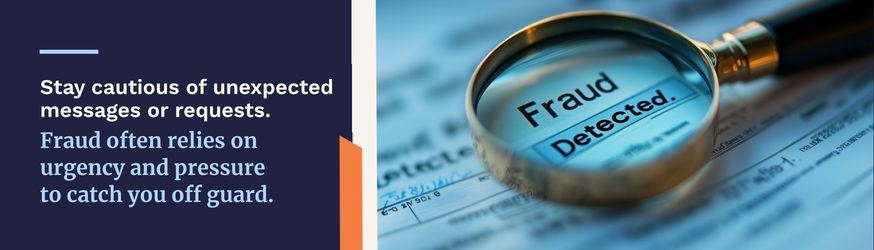
The landscape of fraud has been changing over the last year or so, and as we move further into 2026, significant transformations, driven by technological advancement and consumer behavior, is only further changing how scams occur. For Texas families, staying informed about emerging trends is crucial to safeguarding finances and personal data. We’re here to dig into the 2026 fraud forecast, highlighting new scams that Texas consumers should be vigilant about.
The fraud landscape is evolving rapidly, with new tactics and schemes emerging that exploit technological advancements and societal change. Cybercriminals are becoming increasingly sophisticated, making it essential to remain alert and informed about the latest Texas consumer scams.
Artificial intelligence is reshaping almost every industry, but it also provides criminals with new tools for deception. AI-driven scams can personalize messages and automate the creation of convincing phishing emails, making it easier for fraudsters to trick unsuspecting victims.
These scams often leverage data gathered from social media, allowing criminals to craft messages that resonate with their targets. Texas consumers need to be aware of these emerging threats, as AI technology continues to advance and become more accessible to malicious individuals.
The threat of identity theft remains prevalent and in 2026, we can expect to see this increase. Cybercriminals are employing more sophisticated techniques to steal personal information, often targeting individuals through data breaches and phishing schemes.
With the increasing reliance on online transactions and digital identities, Texas consumers must prioritize protecting sensitive information. Regularly updating passwords and being cautious about sharing personal data online are critical fraud prevention tips to mitigate the risk of identity theft.
Deepfake technology, which allows for the creation of realistic but fake audio and video content, poses a new challenge for consumers. Scammers can use deepfakes to impersonate trusted figures, making it difficult for individuals to discern between genuine and fraudulent communications. Consumers should remain skeptical of unexpected requests for sensitive information or money, especially if they appear to come from familiar sources. Awareness of this technology is essential as its use becomes more widespread.
With the job market fluctuating, job and employment scams are rapidly rising. Scammers often pose as legitimate employers, offering fake job opportunities that require personal information or upfront payments for training materials. You should remain cautious if you’re currently seeking employment, and thoroughly research potential employers before sharing any of your personal information in a job application.
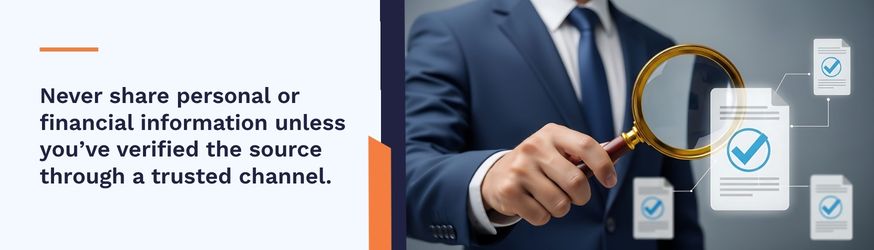
Phishing and smishing (SMS phishing) attacks are anticipated to become more prevalent in 2026. Cybercriminals are increasingly using text messages to lure victims into revealing personal information or clicking malicious links. You should be incredibly wary of unsolicited messages, especially those that offer enticing deals or create a sense of urgency in your response. Always verify the source before engaging in any communication.
In times of economic uncertainty or natural disasters, scammers often exploit the situation by posing as a government official or relief organization. These schemes typically involve requests for donations or personal information under the guise of providing assistance. Individuals and families should remain diligent in verifying the legitimacy of any organization before providing financial details or support.
The rise of ecommerce has also led to an increase in online shopping scams. Fraudsters set up fake websites or list non-existent items on legitimate marketplaces to deceive customers. Texas shoppers should exercise caution when making online purchases, ensuring you’re dealing with reputable sellers and using secure payment methods. Conducting research before buying can help prevent falling victim to these scams.
Scammers often impersonate state agencies to gain trust and extract personal information. They may claim to be from organizations like the Texas Workforce Commission or the Texas Department of Health and Human Services. You should be aware that legitimate agencies will never ask for sensitive information via unsolicited phone calls or emails. Familiarizing yourself with official communication methods of state agencies can help you avoid and identify possible scams.
In Texas, natural disasters like hurricanes and floods can lead to a surge in fraud attempts. Scammers may exploit the chaos following a disaster by soliciting “donations” or offering fake repair services. After such events, it’s critical that you’re cautious about who you choose to support and can verify that the organization is legitimate. The same is true if you’re impacted by a disaster. Don’t accept help from just anyone. Always vet service providers thoroughly before contracting with them.
Adopting smart online safety practices is crucial in the fight against fraud. This includes using strong, unique passwords for different accounts, enabling two-factor authentication where available, and being cautious about sharing personal information on social media. Regularly updating software and security settings can also help safeguard devices against potential threats.
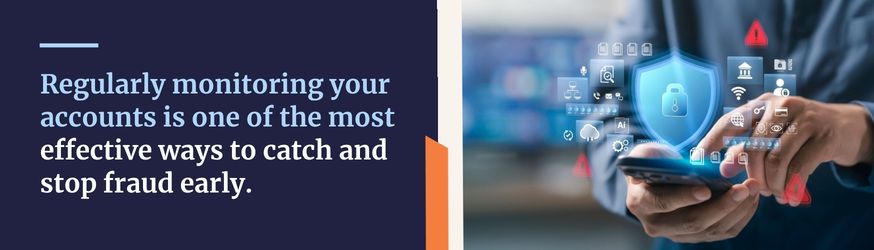
Regularly monitoring bank and credit card statements for unusual transactions is an essential practice for preventing fraud. If any suspicious activity is detected, consumers should report it immediately to their financial institution. Early detection can significantly minimize potential losses and help protect your personal information moving forward.
At Moody Bank, we understand the importance of safeguarding our customers’ finances and personal data. Our website offers a large number of resources, including tips on recognizing scams and steps you can take if you suspect fraud. We encourage you to use these resources to stay informed and take action to protect yourself and your loved ones against emerging scam threats.

If you find yourself the victim of a scam or fraud, it’s essential to act quickly. First, report the incident to your bank or financial institution to secure your accounts. Then consider filing a report with local law enforcement and the Federal Trade Commission (FTC). Taking these steps can help mitigate damages and may be able to assist you in recovering any lost funds as a result of the scam.
As we look to the rest of 2026 and beyond, it’s vital for Texas residents to stay informed about the evolving fraud landscape. By understanding common scams, recognizing local identity theft trends, and implementing effective fraud prevention tips, you can better protect the financial well-being and personal data of yourself and your family. Stay vigilant and remember that knowledge is the first step in fighting fraud.
For additional help and resources, contact the team at Moody Bank to learn more about how we help our customers keep their financial information safe. Get in touch or visit a local branch in Austin, Houston, or Galveston to speak to our bankers.